
We earn a commission if you buy through these links. Learn more
Drama
Guide by the Books of the Day editors · Updated · How we write our guides
Raina Telgemeier's school-theater graphic novel captures the friendships, crushes, and rehearsal-season tension of middle school, with warm art that makes it a quick, emotionally honest read.
What Creators Say About Drama
2 creators reviewed Drama on YouTube between 2013 and 2021, with 15.5K views between them. Their opinions are their own; we picked these reviews, we didn't write them.
What It's About
Drama is a graphic novel for middle-grade readers. It follows Callie, a middle schooler whose real passion is not acting but the behind-the-scenes work of a school theater production. She would rather paint sets and imagine how a stage should look than stand under the lights, and the story stays close to her point of view as rehearsals take over her social life.
Telgemeier's approach is what makes it work. The drawings do much of the emotional labor, with expressions, color, and page layout carrying the tension between friends, the flutter of a crush, and the question of who gets noticed. The pages move quickly and feel like sitting in a busy school auditorium: lots of small conversations, sudden mood shifts, and the awkward social math of being thirteen. It takes an afternoon to read, but it lingers because many scenes will feel familiar to anyone who has survived a group project that went sideways.
The experience is warm rather than dramatic in the big-stakes sense. The conflicts are small by adult standards but enormous at that age: being overlooked, misreading a friend, wondering where you fit. Adults will read it quickly, but it works best as a book that takes those feelings seriously without talking down to its reader.
Read this if you…
- want a quick, emotionally real graphic novel about middle school friendships
- are a fan of theater, set design, or any creative work done behind the scenes
- are looking for a gentle, reassuring read for a kid who feels overlooked
Skip it if you…
- want a plot-driven story with high stakes or surprising twists
- are looking for a deep, complex portrait of adolescence rather than a light, friendly one
Key Ideas
- 1
Creative work doesn't require the spotlight
Callie's love of set design shows that contributing to a production matters as much as performing in it. The book treats behind-the-scenes skill as a real identity rather than a consolation prize for kids who aren't cast, which makes it especially encouraging for readers who don't see themselves as performers.
- 2
Friendship strained by competition
Rehearsals bring out jealousy, loyalty tests, and shifting alliances among classmates. The book shows how small slights and unspoken expectations can grow into real rifts, and how repairing a friendship often takes more honesty than anyone wants to offer.
- 3
Crushes handled with a light touch
Romantic feelings appear as tentative, confusing, and often embarrassing rather than melodramatic. The story captures how hard it is to read another person's signals at this age, and it stays gentle about the awkwardness rather than turning it into a big romance plot.
- 4
Art carrying the emotional weight
Telgemeier uses color, facial expression, and panel pacing to show what characters leave unsaid. A single look can say more than a page of dialogue, so the visual storytelling is a large part of why the book feels so immediate and easy to follow.
- 5
Belonging through your own skill
Callie finds her place in the group by offering something specific that the production needs. The book suggests that belonging comes less from fitting a social role than from showing up with a useful talent and letting others see it.
Limitations
The story is simple and fairly predictable, and some characters, especially the more dramatic classmates, can feel like familiar types rather than fully developed people. Readers who expect a sophisticated narrative may find it slight. The social details and school setting also reflect a specific time and feel a bit dated to some readers. The book is best understood as a comfortable, sincere read for its intended age group rather than a major statement about growing up.
Questions Readers Ask
- Who is Drama best suited for?
- Drama suits middle-grade readers, roughly eight to twelve, and anyone who enjoys graphic novels with honest friendship stories. It is especially good for kids who love theater but don't want to perform, or who feel overlooked in group settings. Adults who grew up with Telgemeier's work will find it a quick, pleasant reread.
- Is Drama a good follow-up to Telgemeier's memoirs?
- If you enjoyed her more personal books, Drama is a lighter and more fictional step. It shares the same clear, expressive art and attention to everyday feelings, but the stakes are smaller and the focus is on a school production. It works well as a gentle next read rather than a deeper emotional one.
- Is Drama still worth reading today?
- Yes, for its core themes. Feeling left out, dealing with friends who change, and finding your own role in a group are timeless. Some of the school details are dated, but the emotional experience remains relevant to young readers, and the art still feels fresh and accessible.
- Published
- 2012
- ISBN
- 9780606267380
- Difficulty
- beginner
- Category
- Children's Books
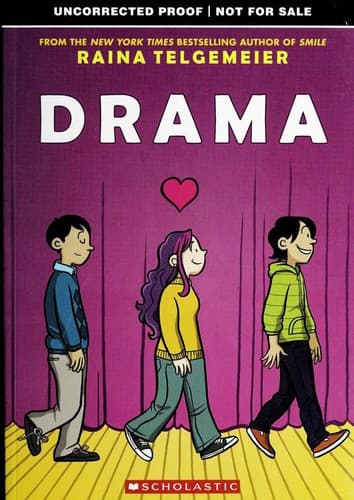
Book details and cover from Google Books.
Ready to read Drama?
Get your copy on Amazon, or listen to it on Audible. We earn a commission if you buy through these links.