
We earn a commission if you buy through these links. Learn more
Devolution
by Max Brooks
Guide by the Books of the Day editors · Updated · How we write our guides
Max Brooks turns a cut-off community's collapse into an archive of conflicting survivor accounts, so the horror comes from what people choose to say and hide as much as from the creatures.
What Creators Say About Devolution
2 creators reviewed Devolution on YouTube in 2020, with 23.7K views between them. Their opinions are their own; we picked these reviews, we didn't write them.
What It's About
Devolution is a horror novel told as a collection of firsthand accounts gathered after a catastrophe at a remote Pacific Northwest community that had chosen to live apart from the wider world. Brooks builds it the way he built World War Z: as testimonies, journal entries and recovered records, each voice shaped by its own fear, bias and blind spots. Nobody controls the story, and that is the point. The reader assembles what happened from fragments, which makes the book feel less like a conventional novel and more like an archive someone put together in a hurry.
The creature horror is slow to show itself, and the book leans on dread more than spectacle. Brooks spends real time on the daily texture of the community: its routines, its ideals, its tensions, and the small decisions that seem reasonable until they aren't. That focus gives the monster story a human frame. You learn who these people were before things went wrong, and the question of who is to blame becomes nearly as unsettling as what is attacking them.
Reading it is an unhurried, immersive experience. Shifting voices keep the momentum going, though some readers will find the format repetitive when several narrators cover the same events. Expect a book that rewards attention and asks you to hold competing accounts in your head at once. It is less about jump scares than about the feeling of being cut off, outnumbered, and left to make sense of other people's stories.
Read this if you…
- enjoy oral-history and documentary-style disaster fiction
- want a creature story where the people matter as much as the monster
- liked the format of World War Z and want more of it
Skip it if you…
- want a fast, plot-driven monster story with clear heroes and a steady pace of action
- find multiple narrators and fragmented records tiring to follow
Key Ideas
- 1
Horror assembled from competing voices
The book works as a found-documents collage. Each narrator reports what they saw through their own lens, and the gaps and contradictions between accounts do much of the storytelling. Readers have to weigh who to believe, which creates a steady low-level unease that a single narrator could not produce.
- 2
Dread built through patience, not spectacle
Brooks prefers the sense of something wrong in the woods to constant set pieces. Long stretches of ordinary life are interrupted by brief, frightening glimpses. The approach rewards readers who like tension that accumulates slowly and does not depend on action beats to keep them turning pages.
- 3
Idealism under strain
The community was built on shared values about nature and self-sufficiency. The book examines how those ideals hold up when pressure arrives, and how the same convictions that bind people together can also blind them. The social portrait is as deliberate as the creature design.
- 4
Blame, denial and the limits of testimony
Because every witness is partial, the novel keeps returning to who gets to define what happened. Survivors shade their stories to protect themselves or others, and the result is a meditation on how communities write their own histories after a disaster and what gets left out.
Limitations
The format is the book's greatest strength and its main weakness. Several narrators recount overlapping events, so parts of the middle can feel repetitive, and individual voices sometimes blur together. The creatures remain partly unexplained by design, which some readers will find frustrating if they want clear answers. Those who prefer a traditional single protagonist or a tightly structured plot may find the book diffuse and slow to build.
Questions Readers Ask
- Is Devolution scary, or more of a thriller?
- It leans toward unsettling horror rather than nonstop thriller. The scares tend to come from atmosphere, half-seen details and the dread of being unable to trust what you are told. If you want constant action or gore, it may feel slower than you expect, but it builds real unease over its length.
- How does Devolution compare to World War Z?
- Both use a documentary-style structure built from many voices, and both are as interested in human reactions as in the monsters. Devolution is more tightly focused on one community and one event, while World War Z covers a global catastrophe. Fans of Brooks's earlier format will find the approach familiar.
- Published
- 2020
- ISBN
- 9781529124095
- Difficulty
- beginner
- Category
- Horror
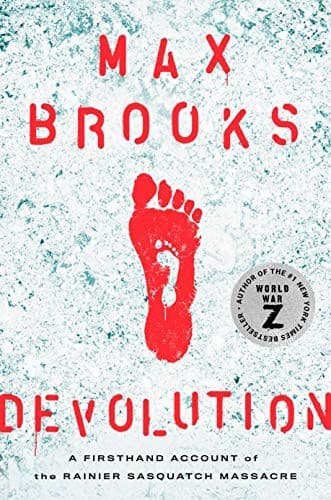
Book details and cover from Google Books.
Ready to read Devolution?
Get your copy on Amazon, or listen to it on Audible. We earn a commission if you buy through these links.