
We earn a commission if you buy through these links. Learn more
Deep Water
Highsmith's least showy thriller is a slow-burn study of a marriage built on tolerated betrayal, where suspicion grows faster than evidence and every social gathering feels like a test.
What It's About
Deep Water, published in 1957, follows Vic Van Allen, a man whose wife Melinda takes lovers openly while he plays along with an outwardly calm arrangement. The setup is simple, but the pressure underneath is not. Vic's pride, humiliation, and private calculations drive the story, and the reader is left to wonder whether he is a wronged husband, a quiet manipulator, or something in between. Highsmith is best known for her crime novels, and this one does carry a thriller's dread, but it is built more from psychology and local gossip than from plot mechanics.
The book is written in close third person and stays with Vic's perspective, which makes its unreliability part of the experience. Highsmith's prose is clipped and observant, especially in her portraits of small-town social life: the rivalries, the careful politeness, the people who seem to know more than they say. Long stretches move slowly, with conversations that carry more weight than the events themselves. Then a sudden shift jolts the narrative forward. Reading it feels uncomfortable in a useful way, because you keep being asked how much sympathy this man deserves.
Read this if you…
- want a psychological suspense novel where tension comes from doubt rather than action
- enjoy morally uncomfortable protagonists you cannot quite trust or dismiss
- like slow-building domestic drama with a sharp edge of menace
Skip it if you…
- need fast pacing and a steady stream of set pieces from the first chapter
- want a clear hero, a tidy resolution, or characters you can easily root for
Key Ideas
- 1
Marriage as a tolerated bargain
The central relationship is less a love story than a negotiated truce. Highsmith shows how a couple can stay together while each quietly keeps score, and how an arrangement meant to preserve calm can slowly poison both partners. The unease comes from watching a marriage that looks stable from outside and feels precarious from within.
- 2
Suspicion as a social activity
Much of the tension comes from what a community believes, not only from what happened. Gossip, hints, and raised eyebrows shape how Vic is seen, and the book shows how reputations form and harden through talk. The town becomes almost a character, judging without ever needing proof.
- 3
Guilt that refuses to settle
Highsmith keeps moral judgment open. Vic's motives are never fully explained, and the reader has to weigh his grievances against his cold reasoning. This ambiguity is the book's main hook, and it is why the story keeps lingering in your mind after you finish.
- 4
Class, appearances, and self-image
Money, social standing, and the need to look composed shape nearly every choice the characters make. Their manners often conceal fear or resentment. Highsmith uses these small performances to show how much effort goes into keeping up an acceptable public face.
Limitations
Many readers find the middle stretches slow, since the book prefers atmosphere and conversation to plot. Vic can be a frustrating narrator, and the secondary characters are sketched more than fully developed. The 1950s social assumptions about marriage, gender, and class are very much of their time, and some readers will find them dated or uncomfortable. The novel also offers little of the travel and technical detail that makes some crime fiction feel expansive. Those who want a fully satisfying investigation or a conventional sense of justice may come away unsatisfied.
Questions Readers Ask
- Is Deep Water a good first Patricia Highsmith novel?
- It is a reasonable choice if you already like quiet psychological suspense, but many readers start with The Talented Mr. Ripley. That book has a more propulsive plot and a clearer hook, so it is easier to settle into. Deep Water rewards patience and suits readers who enjoy ambiguity more than a fast chase.
- How does Deep Water compare to The Talented Mr. Ripley?
- Ripley is more directly a thriller, following a charming con artist through a series of escalating deceptions. Deep Water is more domestic and slower, focusing on a marriage and a community's gossip. Ripley delivers momentum, while Deep Water builds dread through uncertainty about the protagonist's intentions.
- Does Deep Water still hold up today?
- Its psychological insight into jealousy, pride, and the performance of respectability still feels sharp. Some of its attitudes toward marriage, gender, and social conduct reflect the 1950s, so readers should expect period assumptions. Most people who enjoy careful, character-driven suspense find it holds up well.
- Published
- 1957
- ISBN
- 9780140038583
- Difficulty
- beginner
- Category
- Fiction
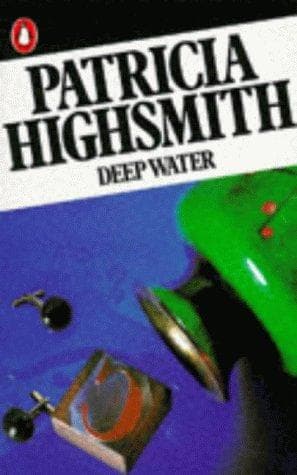
Book details and cover from Google Books.
Ready to read Deep Water?
Get your copy on Amazon, or listen to it on Audible. We earn a commission if you buy through these links.