
We earn a commission if you buy through these links. Learn more
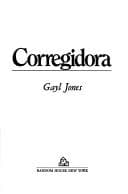
Corregidora
by Gayl Jones
Gayl Jones's 1975 novel is a dense, blues-inflected portrait of a woman whose family memory of enslavement shapes her marriage, her body, and her art. Demanding, rewarding, and unlike most novels you have read.
What It's About
Corregidora follows Ursa Corregidora, a blues singer in the Kentucky of the mid-twentieth century, whose female ancestors were taken from Brazil and bred as property under a slaver named Corregidora. Their descendants were raised on those accounts and instructed to remember them, so the family's history becomes a kind of inheritance that Ursa must carry and, eventually, argue with. The story moves through her memories of her grandmother and mother, her troubled marriage, and the physical and emotional damage that follows, but it does not march forward in a tidy line.
Jones writes in a spare, rhythmic prose that borrows the repetitions and call-and-response of the blues. Dialogue is often clipped, scenes return to the same questions from different angles, and the reader must assemble the timeline from fragments. The effect is less like following a plot than like listening to someone who has told the same story many times and keeps finding new pressure in it.
Reading it is an intense, sometimes uncomfortable experience. The violence is direct, the sexuality is frank, and the emotional stakes are high. What you take away is less a set of events than a feeling of how inherited trauma can narrow a life and how a person might try to break that pattern on her own terms.
Read this if you…
- are comfortable with fragmented, nonlinear storytelling and enjoy working out a story's shape yourself
- want serious fiction about slavery's long afterlife in American family life rather than a historical epic
- are drawn to the rhythms and structure of the blues and want to see how those forms can work on the page
Skip it if you…
- need a clear plot, steady forward momentum, or a satisfying resolution
- find graphic violence and frank sexual content hard to read in a novel
Key Ideas
- 1
History as an inheritance you did not choose
Ursa's family keeps the memory of their origins alive as a duty rather than a story to be shared. The book asks what it costs to be raised as a living record of someone else's crimes, and whether remembering can ever be separated from being controlled by that past.
- 2
The body as the site of memory and control
Reproduction, injury, and desire are central to the novel. Jones returns again and again to what has been done to women's bodies, and to how those bodies become sites where the past is repeated, resisted, or buried.
- 3
Blues form as a way of thinking
The novel's repetitions, refrains, and shifting perspectives mirror the blues tradition of returning to a wound and singing it differently each time. Understanding this structure is essential to understanding what the book is doing.
- 4
Testimony versus private truth
Ursa is pushed to testify about her family's history in the way the older generation demanded. Jones explores the gap between what a family insists must be remembered and what an individual actually feels, knows, or needs to say.
- 5
Love and damage within a Black working community
Ursa's relationships with the men in her life are shaped by jealousy, economic pressure, and the wider legacy of slavery. The book refuses to make these men simple villains or simple victims, which makes its portrayal of intimacy unusually complicated.
Limitations
The fragmented structure and dialect-heavy dialogue can frustrate readers who want an accessible plot, and some find the constant return to the same questions repetitive. The novel is also short and compressed, so characters beyond Ursa and her immediate circle receive limited development. Some critics have felt that its focus on one family leaves broader historical context thin. Its frankness about violence and sexuality may also date its approach for readers used to contemporary fiction on these subjects.
Questions Readers Ask
- Is Corregidora hard to read?
- It is short but demanding. The prose is sparse, the chronology is fragmented, and scenes circle back on themselves, so you have to put the pieces together as you go. Readers who slow down and accept the structure usually find it more rewarding than difficult.
- How does Corregidora compare to Beloved?
- Both books deal with slavery's inheritance in a Black family and the weight of the past on the present. Morrison's novel is more lyrical and openly supernatural, while Jones is more spare and blues-based, focusing on a single woman's voice and the physical consequences of the family's history.
- Is Corregidora still relevant today?
- Yes. Its questions about inherited trauma, control over women's bodies, and the pressure to bear witness remain current, and its experimental form still feels fresh. Readers interested in Black women's fiction and innovative structure will find it worth reading now.
- Published
- 1975
- ISBN
- 9780394493237
- Difficulty
- intermediate
- Category
- Fiction
Book details and cover from Google Books.
Ready to read Corregidora?
Get your copy on Amazon, or listen to it on Audible. We earn a commission if you buy through these links.