
We earn a commission if you buy through these links. Learn more
Confessions of a Shopaholic
A breezy, funny novel about a money journalist whose own shopping has spiralled out of control, with a heroine you will both root for and roll your eyes at.
What It's About
Confessions of a Shopaholic is a comic novel by Sophie Kinsella, first published in 2000, about Rebecca Bloomwood, a young Londoner who spends far beyond her means and keeps the growing pile of bills hidden from everyone, herself included. The central joke is that she works as a financial journalist, writing money advice for readers while her own finances collapse. The story runs on the gap between what Rebecca preaches and what she does, and Kinsella mines that gap with a chatty, self-deceiving first-person voice that rationalises every purchase.
The style is light and fast. Scenes are short, the dialogue moves quickly, and much of the humour comes from Rebecca's inventive excuses, her panicked evasions of creditors, and set pieces involving sales, credit cards and shop assistants. The prose relies on pace and situation rather than deep psychological portraiture, so reading it feels closer to watching a sitcom than settling into a literary novel.
What you get is a warm, escapist read with a romantic thread running beneath the money worries. It is funny in a way that depends on recognising your own small absurdities, and it stays fond of its heroine even when she behaves badly. Expect a relaxed evening's reading rather than a wrestle with ideas.
Read this if you…
- enjoy comic first-person narrators with flaws you can laugh at
- want a light, fast read for a holiday or a commute
- like British chick-lit or romantic comedy with a practical problem at its core
Skip it if you…
- want sharp social satire or a serious look at personal debt
- find a heroine who lies constantly more irritating than funny
Key Ideas
- 1
Spending as a way of coping
Rebecca's shopping works as a mood lift and a way of avoiding anxiety about money. The book treats the rush of buying as an emotional habit rather than simple stupidity, which is what gives the comedy its warmth. You see the appeal of the next purchase from the inside, even as the reader winces at its consequences.
- 2
The hypocrisy of the money expert
Rebecca's job is writing financial advice, and the novel's engine is the distance between her published wisdom and her private chaos. Kinsella uses this irony to poke fun at confident self-help voices, and it gives the plot a steady sense of exposure: the reader keeps waiting for the truth to surface.
- 3
Denial as a comic device
Hidden letters, evasive phone calls and ever more creative excuses drive many scenes. The humour comes from watching a character construct elaborate stories to protect a fragile version of herself. Readers who enjoy characters who lie badly and charmingly will find plenty here.
- 4
Romance wrapped around money trouble
A love interest runs alongside the debt plot, and the two strands keep pulling against each other. The romance is light and fairly conventional, and it serves to keep the story moving rather than to deepen it. It suits readers who want a comic love story with a practical problem at its heart.
- 5
Consumer culture seen from the inside
London shopping, fashion and the thrill of a bargain are presented with affection rather than sharp criticism. The book enjoys the world it satirises, so it is less a critique of consumerism than a playful portrait of someone caught up in it. That tone is part of its appeal and part of its limits.
Limitations
The book is very much of its time: its London is pre-smartphone and pre-online shopping, and some of its jokes about bank letters and phone calls feel dated. Critics have called the characters thin and the plot predictable, and the romance follows familiar conventions. Some readers find Rebecca's lying tiresome over a full novel, and the book's softer treatment of debt's real consequences can feel too comfortable for those who have lived through it.
Questions Readers Ask
- Is Confessions of a Shopaholic still funny today?
- Many readers still find it funny, especially the scenes built on Rebecca's excuses and near misses. Some references and attitudes feel dated because the book was written around 2000, before online shopping and smartphones changed everyday spending. The comedy depends more on character than on period detail, so it often holds up better than the setting does.
- How does it compare to Bridget Jones's Diary?
- Both are comic British novels about a flawed, likeable heroine whose personal life is messy. Shopaholic focuses more tightly on money and spending, while Bridget Jones leans more on romance and self-reflection. If you enjoyed one for its voice, you will probably enjoy the other, though the tone and emphasis differ.
- Do I need to read the sequels?
- No. The first book works as a complete reading experience on its own. The later books follow Rebecca through new money and relationship situations, and they are best read if you enjoy her and want more of the same voice. Starting here gives you everything you need to decide.
- Published
- 2000
- ISBN
- 9780552774819
- Difficulty
- beginner
- Category
- Fiction
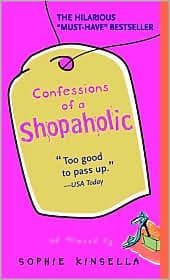
Book details and cover from Google Books.
Ready to read Confessions of a Shopaholic?
Get your copy on Amazon, or listen to it on Audible. We earn a commission if you buy through these links.