
We earn a commission if you buy through these links. Learn more
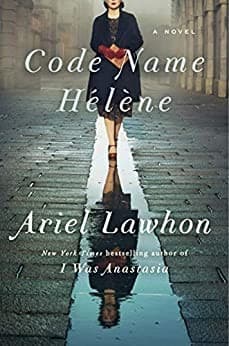
Code Name Hélène
by Ariel Lawhon
Guide by the Books of the Day editors · Updated · How we write our guides
A fast, character-driven novel about Nancy Wake, the real wartime resistance organizer, that turns documented history into a gripping story of courage and endurance.
What Creators Say About Code Name Hélène
2 creators reviewed Code Name Hélène on YouTube between 2020 and 2021, with 7.9K views between them. Their opinions are their own; we picked these reviews, we didn't write them.
What It's About
Code Name Hélène is a historical novel built around Nancy Wake, the New Zealand-born journalist who became one of the most effective Allied resistance organizers in occupied France. Ariel Lawhon takes the outline of Wake's real wartime record, including her work with the Special Operations Executive and the local fighters she helped arm and lead in 1944, and gives it scenes, dialogue, and interior life.
The approach is a blend of fact and invention. The book follows known events and real figures while filling the private moments and conversations that archives rarely preserve. It moves across time rather than running in a single straight line, so the war appears both as it happened and as it is remembered, which adds a reflective layer beyond plain action. The prose is brisk and visual, and the tension comes from everyday dangers: radio contact, safe houses, supply drops, and the constant question of who can be trusted.
Reading it feels like sitting with a propulsive war story that still asks you to think about loyalty, fear, and what it costs to keep going. The pace is steady rather than relentless, and the emotional center rests less on battle scenes than on endurance.
Read this if you…
- enjoy historical fiction built on real wartime lives
- want a tense, character-focused story about the French Resistance
- are curious about lesser-known women who worked behind enemy lines
Skip it if you…
- want a close, meticulously documented military history of the SOE
- need a fast-moving thriller with constant action and little reflection
Key Ideas
- 1
Resistance as ordinary, daily work
The novel shows resistance less as heroic set pieces and more as a grind of logistics, waiting, coded messages, and small decisions that could get people killed. Much of the suspense comes from this unglamorous persistence, which makes the courage feel earned rather than theatrical.
- 2
Courage tangled with loyalty and betrayal
Working underground means depending on people you cannot fully verify. The book keeps returning to the question of whom to trust, and how fear can quietly erode relationships even among allies who share the same goal.
- 3
A woman operating in a male-dominated world
Wake's position as a woman leading armed men and dealing with military hierarchies gives the story a sharp edge. The novel examines how gender shapes the way she is judged, underestimated, and remembered, both by those around her and by later accounts.
- 4
Memory, reputation, and how history gets told
Because the protagonist was a real person whose legend grew over time, the book is also about the gap between lived experience and public reputation. It invites readers to consider how stories about wartime heroes are shaped, simplified, and sometimes contested.
Limitations
Because the novel blends documented events with invented scenes and dialogue, some readers may find it hard to tell where history ends and fiction begins. Those who want rigorous historical detail may wish for more on the operational mechanics and the wider political context of the Resistance. The characterization of some supporting figures is necessarily sketchy, and the emotional register can feel familiar to readers who already know many wartime novels. Readers should treat it as a dramatization rather than a substitute for a biography.
Questions Readers Ask
- Is Code Name Hélène based on a real person?
- Yes. The novel centers on Nancy Wake, a real New Zealand-born woman who worked for British intelligence and helped lead resistance fighters in France during the Second World War. Lawhon keeps the broad outline of Wake's work intact but invents many private scenes and conversations, so the book works best as a dramatized account rather than a factual record.
- Do I need to know WWII history to enjoy it?
- No. The book gives enough context to follow the stakes without a background in the period. Readers with some familiarity with the French Resistance will recognize more of the terrain, but the story is built around character and tension, so a general adult reader should find it accessible from the first chapters.
- Who will like it if they enjoyed The Nightingale?
- Readers who appreciated the emotional scope and focus on women's wartime courage in Kristin Hannah's novel will likely find similar satisfactions here. Code Name Hélène is more closely tied to a single real figure and a specific resistance story, so it may feel more grounded in fact and somewhat less sweeping in its family drama.
- Published
- 2020
- ISBN
- 9780385544689
- Difficulty
- beginner
- Category
- Fiction
Book details and cover from Google Books.
Ready to read Code Name Hélène?
Get your copy on Amazon, or listen to it on Audible. We earn a commission if you buy through these links.