
We earn a commission if you buy through these links. Learn more
Christy
Christy is a warm, patient portrait of a young teacher's first year among Appalachian mountain families, rich in place, faith, and everyday hardship.
What It's About
Christy is a novel about a young woman from a comfortable background who takes a teaching job in the Appalachian mountains in 1912. She finds a community shaped by poverty, illness, and isolation that she is not prepared for. Marshall follows her first year as she learns local customs, teaches children who have had little schooling, and works out what she actually believes about faith and service.
The book moves at a leisurely pace and is built from episodes: school days, sickness, church gatherings, feuds, and a harsh landscape that shapes everyday life. Marshall writes in a warm, earnest voice with a strong sense of place. She gives the mountain people humor, dialect, and dignity rather than treating them as a backdrop for a rescue story. Expect long descriptive passages and a religious sensibility that runs through most scenes.
Reading it feels like sitting with a patient narrator who trusts you to care about small things. It is less a page-turner than a slow immersion, and its emotional force builds from accumulated detail rather than sharp plot turns. Readers who want a tightly paced story may find it slow going, but those who settle into its rhythm often find it lingers long after the last page.
Read this if you…
- want a slow, immersive historical novel set in a specific American place and era
- are drawn to stories about faith expressed through everyday work and community
- enjoy character-driven books where the emotional payoff comes from accumulated detail
Skip it if you…
- need fast plotting, cliffhangers, or a tightly structured mystery
- find overtly religious tone off-putting in fiction
Key Ideas
- 1
Service as daily practice, not grand gesture
Much of the book's moral weight sits in ordinary work: teaching a lesson, nursing someone through a bad night, showing up again the next morning. Marshall treats faithfulness as something built from repeated small acts rather than dramatic sacrifice. Readers who expect heroism will find the book quieter, but the idea that usefulness is measured in patience and consistency is what gives the story its steady emotional logic.
- 2
Faith tested by hardship and isolation
Christy's belief is not presented as settled at the start. Hard winters, illness, and the limits of what one teacher can change press on her convictions and force her to decide what faith means in practice. The novel is sincerely religious, so readers who share that outlook will find it affirming, while others will see a sustained argument for belief that is central to the book rather than incidental.
- 3
An outsider learning to see on local terms
The narrative keeps returning to the gap between how Christy arrives and how she slowly comes to understand the community. Marshall resists easy condescension and shows the people's own values, loyalties, and judgments. This gradual shift in perspective is the book's most distinctive feature and the main reason it reads as more than a simple tale of outside help.
- 4
Education as both escape and care
Schooling in the novel is a practical gift, opening doors to reading, arithmetic, and a wider world. It is also an act of attention to individual children who have been overlooked. Marshall is attentive to what learning can offer without suggesting that it can fix every problem, and the tension between hope and limitation runs through the teaching scenes.
Limitations
The novel is often criticized for sentimentality and for a tone that can feel idealized, especially in how it frames the mountain people and the heroine's mission. Its religious perspective is central and not hidden, which some readers will find preachy. The pacing is deliberately gradual, and the book does not offer a deep political or economic analysis of Appalachian poverty. Its portrayal reflects the attitudes and assumptions of its time, so modern readers may want to read it alongside more recent accounts of the region.
Questions Readers Ask
- Is Christy based on real events?
- The novel is generally understood to draw on the author's family history, including her mother's experiences as a young teacher in the mountains. It is presented as fiction, though, and it blends invented characters and episodes with that background. If the real-life connection matters to you, it is worth checking the author's own notes or a reliable biography before assuming how much is autobiographical.
- Who would enjoy Christy today?
- Readers who like inspirational historical fiction, slow regional novels, or stories about a newcomer finding a place in a close community will likely enjoy it. It suits people comfortable with a devout tone and a leisurely pace. Those looking for a modern critical take on Appalachia will probably want to pair it with newer nonfiction or fiction written from within the region.
- Published
- 1967
- ISBN
- 9780812418002
- Difficulty
- beginner
- Category
- Fiction
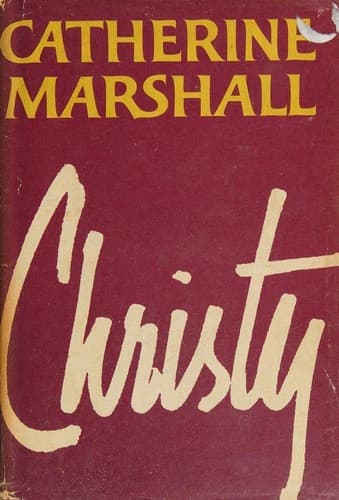
Book details and cover from Google Books.
Ready to read Christy?
Get your copy on Amazon, or listen to it on Audible. We earn a commission if you buy through these links.