
We earn a commission if you buy through these links. Learn more
Chains
Guide by the Books of the Day editors · Updated · How we write our guides
A sharp, emotionally direct YA novel that shows the American Revolution from the side of an enslaved teenager, where the language of liberty is loudest among the people holding her in bondage.
What Creators Say About Chains
2 creators reviewed Chains on YouTube between 2015 and 2021, with 719 views between them. Their opinions are their own; we picked these reviews, we didn't write them.
What It's About
Chains is a young adult historical novel set in New York during the American Revolution, when British forces occupied the city. It follows Isabel, an enslaved teenager in a Loyalist household, who is trying to hold her family together and protect her sense of self while the war reshapes everything around her. Anderson keeps the story close to Isabel's point of view, so the reader sees the gap between what the Patriots and Loyalists claim to be fighting for and what that means for the people they own.
The prose is plain and forceful, with period detail woven into daily work, speech, and the constant small dangers of a household under watch. Anderson does a lot of her teaching through scenes rather than lectures, so the history arrives as pressure on characters who have to make hard choices. The mood is tense and often claustrophobic, and the reading experience is more about dread and momentum than about leisurely description.
It is written for younger teen readers, but many adults read it too, especially those interested in how Revolutionary-era freedom talk was received by people without any. Chains is the first book in the Seeds of America trilogy, and it is built to be a setup, so it leaves major threads open and works best as the start of a longer story.
Read this if you…
- want a vivid, close-up look at slavery during the American Revolution
- enjoy historical fiction where tension comes from character choices and daily danger
- are willing to start a series and accept an open ending
Skip it if you…
- need a self-contained novel with a tidy resolution
- want a light, fast read without hard depictions of cruelty and violence
Key Ideas
- 1
Liberty for some, bondage for others
The novel's central irony is that the rhetoric of freedom rings out across the city while enslaved people are bought, sold, and kept in chains. Anderson lets the reader feel how hollow that slogan sounds from inside a house where it is never applied to the people doing the work. The book asks who gets to define liberty and who pays for the victory.
- 2
Isabel's perspective as the story's engine
Because the story stays with Isabel, the reader gets her watchfulness, her wit, and her anger rather than an outside narrator's summary of slavery. Her reading of other people's motives drives the suspense. The book treats her as a full person making decisions, not as a symbol.
- 3
Loyalty, family, and impossible choices
Isabel's responsibility for her younger sister shapes almost every decision she makes. The book examines how enslaved families had to bargain, hide, and gamble with little safety on any side. Relationships are never simple, and trust is costly.
- 4
War as a backdrop for everyday cruelty
The Revolution is present as troops, rumors, shortages, and shifting loyalties, but the daily violence of the household matters just as much. Anderson shows how large political conflict and private brutality feed each other. The war does not make Isabel's situation better just because it is changing hands.
Limitations
Chains has been praised for giving voice to an enslaved character in a period often told through founders and generals, but some readers find its tone heavy and its scenes of violence harsh for younger audiences. Because it is the first book of a trilogy, its plot is unfinished, which can frustrate readers who want closure. Some historians and readers have also questioned how far a single novel can capture the varied experiences of enslaved people in New York. The book is best read as one perspective within a larger, complicated history.
Questions Readers Ask
- Is Chains suitable for adults or only for teens?
- Chains is shelved as young adult, and its sentences and structure are accessible for teen readers. Many adults read it with interest, especially those who want a direct view of slavery in Revolutionary New York. Expect it to be emotionally intense, with violence and cruelty depicted plainly, so it suits readers comfortable with hard historical material.
- Do I need to read the other Seeds of America books?
- Chains works as a complete reading experience in terms of character and setting, but it does not resolve its central storylines. The sequels continue directly from its events. If you want an ending, you will need to read the rest of the trilogy, so plan accordingly before you start.
- Published
- 2008
- ISBN
- 9781491574621
- Difficulty
- beginner
- Category
- Fiction
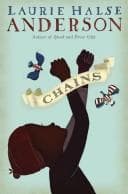
Book details and cover from Google Books.
Ready to read Chains?
Get your copy on Amazon, or listen to it on Audible. We earn a commission if you buy through these links.