
We earn a commission if you buy through these links. Learn more
Caddie Woodlawn
A spirited, rule-testing frontier girl, a lively family, and a warm, episodic portrait of pioneer life make this a classic worth reading, with a caveat about its dated portrayal of Native characters.
What It's About
Caddie Woodlawn is a 1935 novel for young readers, set in Wisconsin in the 1860s, following a spirited girl who would rather climb trees and ride horses than learn to be a proper young lady. Brink built the book from family stories, so the episodes feel lived-in rather than invented for a lesson.
The structure is episodic: a series of connected scenes, some funny, some tense, that show Caddie testing the limits her family and town place on her. Brink writes in a plain, warm voice that trusts children to follow a story without being lectured. Much of the pleasure comes from the family itself: siblings who squabble, a patient mother, a father who lets his daughter be herself more than most of his neighbors would. The Civil War hovers at the edges of the community rather than dominating it.
Reading it is less like following a plot than spending time in a frontier household, with its chores, its bad weather, its wary neighbors, and its unexpected friendships. The pace is gentle, and the stakes are mostly everyday ones, which suits readers who like books grounded in ordinary life.
Read this if you…
- love spirited heroines who push against rules
- want a classic historical novel that works for middle-grade readers and adults alike
- enjoy episodic family stories with a strong sense of place
Skip it if you…
- want fast plotting, high stakes, or suspense
- need a modern or historically exact account of Native characters and the period
Key Ideas
- 1
Girlhood that refuses to be shrunk
Caddie is restless, impulsive, and often in trouble, and the book treats her energy as a character strength rather than a problem to be corrected. Her clashes with what her town expects of girls drive much of the story. Readers who remember feeling boxed in by rules will likely recognize themselves in her.
- 2
Family life as the real engine
The Woodlawn household is full of noise, arguments, chores, and affection. Brink uses siblings and parents to show how children learn fairness, loyalty, and responsibility through daily friction rather than lectures. Much of the book's warmth comes from these small, ordinary exchanges.
- 3
Friendship that crosses lines of difference
Caddie's friendship with a young Native American boy is one of the book's most memorable threads. It shows curiosity and respect, but it also reflects the attitudes of its time, including some portrayals that now read as dated. Read it as a window onto how a 1930s author imagined the 1860s.
- 4
Frontier life through ordinary moments
Rather than building toward one big climax, the book strings together scenes of farm work, weather, travel, and town life. This gives a textured sense of how settlers spent their days. The sense of time passing is one of the pleasures of reading it.
Limitations
The book's most significant limitation is its portrayal of Native people, which relies on dated stereotypes and views the frontier largely from the settlers' side. Its episodic pacing can feel loose to readers used to tighter structures. The Civil War and wider politics of the period remain background rather than subject. Some readers also find its moral lessons heavy-handed, though most of the time they stay in the background.
Questions Readers Ask
- Is Caddie Woodlawn still worth reading today?
- Yes, especially for its warm family portrait and its heroine's independence. Be prepared, though, to discuss its depiction of Native characters with younger readers, since that portion has aged poorly. Many teachers pair it with more recent historical fiction to show how perspectives on the frontier have changed.
- How does it compare to Little House on the Prairie?
- Both are family stories set on the American frontier with a strong sense of daily life. Caddie Woodlawn is livelier and more mischievous, with a heroine who pushes boundaries more openly. Little House is gentler and steadier. If you liked one, the other is a natural next read, and Caddie is often more fun for readers who like spirit over sentiment.
- Published
- 1935
- ISBN
- 9781416948186
- Difficulty
- beginner
- Category
- Fiction
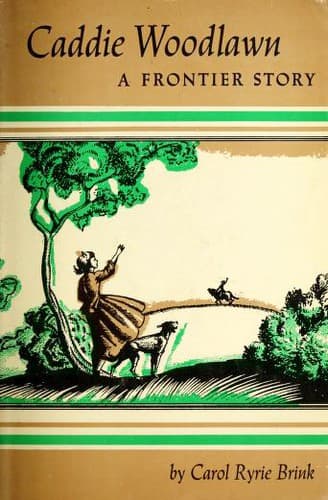
Book details and cover from Google Books.
Ready to read Caddie Woodlawn?
Get your copy on Amazon, or listen to it on Audible. We earn a commission if you buy through these links.