
We earn a commission if you buy through these links. Learn more
Beowulf
Heaney's translation keeps the hard, alliterative music of Old English, so this ancient monster-and-hero poem reads with real force in modern words.
What It's About
Beowulf is one of the oldest surviving poems in English, an epic composed by an unknown poet in Old English and preserved in a single manuscript. Heaney's 1999 translation carries it into modern English while keeping the sound of the original, which is built on stressed, alliterative lines rather than rhyme. Although this book is listed under History, it is a poem, not a historical account. It does draw on a world of Germanic kings, feuds, and sea voyages that feels historical, but its events are legendary.
The story has three movements: a monster attacks a great royal hall, a hero crosses the sea to fight it and then its vengeful mother, and decades later the hero, now old, faces a dragon. Reading it is less like following a fast thriller and more like hearing a bard perform. Expect digressions, genealogies, long speeches, and foreshadowing that warns you something bad is coming. Heaney's language is muscular and concrete, with compound words that give everyday objects and feelings real weight.
The experience is immersive rather than breezy. Short lines speed up when the fighting starts and slow down for grief and elegy. The poem rewards a second reading and makes more sense with a little context about the Anglo-Saxon world.
Read this if you…
- want an epic in the oldest English voice you can read in modern words
- enjoy poetry that rewards reading aloud and paying close attention to sound
- are curious about early medieval values like loyalty, gift-giving, and fame
Skip it if you…
- want a fast plot with steady momentum from the first page to the last
- expect a historical account of early medieval England, since this is a poem and not a history book
Key Ideas
- 1
Loyalty bound up with generous gift-giving
Kings reward their warriors with treasure, and the bond between lord and follower sits at the heart of the poem's moral world. Heaney's version keeps the sense that status depends on generosity and loyalty, and that breaking those bonds is a serious failure. Much of the tension comes from watching characters measure themselves against these expectations.
- 2
Reputation as the only lasting achievement
The poem treats a good name as what outlasts a person's death. Heroes chase glory because fame is the only form of immortality available to them. The text keeps returning to the question of what a life leaves behind, and it asks the reader to weigh that against the cost of pursuing it.
- 3
Monsters as threats from outside the hall
Grendel and his mother embody outside forces that threaten a community already living in fear. The poem mixes older pagan material with a Christian framing, so the monsters can read as both creatures of the wild and figures of judgment. Pay attention to how the story places them at the edges of human society.
- 4
The craft of the stressed line
Heaney chose to keep the four-beat, alliterative line rather than smoothing it into conventional verse. That choice shapes the pace, the emphasis, and the weight of single words. Reading aloud brings out much of what the translation is doing, and it is one of the main reasons to choose this version.
- 5
Aging heroism and the limits of strength
The final section turns to an aging king facing a threat he can no longer meet with youthful force. The poem treats this with a quiet seriousness, asking what courage means when the body has declined. This stretch often lingers with readers longer than the earlier battles do.
Limitations
Any translation is one interpretation, and Heaney's choices about diction and tone shape how the poem feels. Some readers find the long digressions, lists of names, and repeated epithets slow going over a whole sitting. The original manuscript was damaged by fire, so some lines are missing or uncertain, and translators must fill those gaps with judgment. The alliterative music also cannot be fully recreated in another language, so the translation is a fine approximation rather than the original.
Questions Readers Ask
- Is Beowulf actually history?
- No. Although this edition is categorized as History, Beowulf is a legendary epic poem. It mentions real peoples and kings from the early north of Europe, but its events, monsters, and heroics are not a reliable record of the past. Read it as literature that reflects the values and imagination of its time.
- Do I need background knowledge to enjoy it?
- You do not need prior knowledge to get the story and its emotional force. A short introduction or set of notes about Anglo-Saxon customs, the poem's structure, and its manuscript history will make the genealogies and references easier to follow and more rewarding.
- How does Heaney's version compare with prose translations?
- Prose translations are usually easier to read quickly, but they lose the rhythm and sound that make the original striking. Heaney's version keeps the stressed, alliterative beat, so it feels closer to hearing the poem performed. It asks more of you at first, though many readers find the effort worthwhile.
- Published
- 2000
- ISBN
- 9781568959207
- Difficulty
- intermediate
- Category
- History
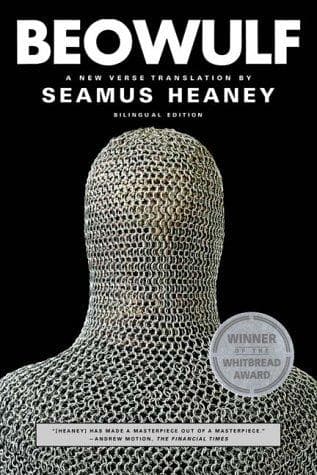
Book details and cover from Google Books.
Ready to read Beowulf?
Get your copy on Amazon, or listen to it on Audible. We earn a commission if you buy through these links.