
We earn a commission if you buy through these links. Learn more
Before We Were Yours
by Lisa Wingate
Guide by the Books of the Day editors · Updated · How we write our guides
A gripping, emotionally direct historical novel about siblings taken by a respectable-looking charity, told alongside a modern storyline that asks what privilege is built on. Best for readers who like plot-driven fiction.
What Creators Say About Before We Were Yours
2 creators reviewed Before We Were Yours on YouTube between 2018 and 2023, with 82.7K views between them. Their opinions are their own; we picked these reviews, we didn't write them.
What It's About
Before We Were Yours is a historical novel that moves between two timelines. In 1939 Memphis, twelve-year-old Rill Foss lives with her family on a houseboat on the Mississippi River, a hard life that is close and full of small freedoms. When a sudden crisis upends that world, Rill and the younger children are taken in by an institution that presents itself as a charitable refuge. In the present day, a young lawyer named Avery Stafford lives a polished life that her family's history has quietly made possible, and she is about to learn how much she has never examined.
Wingate writes in plain, warm prose and keeps chapters short, with endings built to pull you forward. Rill's chapters put the reader close to a frightened child trying to protect her siblings, while Avery's storyline lets you piece together how the two eras connect. The novel draws on the real Tennessee Children's Home Society and its director, Georgia Tann, whose adoption operation separated children from their families and sold them to wealthy clients.
Reading it feels like a blend of historical fiction and family mystery, with a strong emotional pull and clearly drawn villains. It leans sentimental in places and sometimes relies on coincidence, but its anger at a real injustice gives it weight. Expect a book you finish quickly and think about for a while, especially if you care about adoption history or the ways privilege hides its origins.
Read this if you…
- enjoy historical fiction grounded in real events
- want a story that mixes family drama with a slow-building mystery
- are drawn to books about the long consequences of injustice
Skip it if you…
- want subtle prose, ambiguous morality, or morally gray characters
- dislike sentimental storytelling or neatly hopeful endings
Key Ideas
- 1
Cruelty dressed in charity's clothing
The institution's kind public face is the book's central irony. Wingate shows how the language of rescue and good intentions can cover exploitation, and how easily adults around the children accept that cover. The threat in the story is less a single monster than a system that looks respectable from the outside.
- 2
Siblings as the emotional engine
Rill's protectiveness toward her younger brothers and sisters gives the novel its heartbeat. Much of the tension comes from her constant calculation about what she can keep safe and what she must give up. The bonds between the children feel earned, which is why the separations hit so hard.
- 3
Privilege and the stories it tells itself
Avery's chapters ask what comfort rests on and who paid for it. The modern thread is less about outright villainy and more about the discomfort of discovering that a respectable family name has a past. It widens the book from one historical injustice to the question of how the present inherits it.
- 4
Two eras, one set of wounds
Alternating timelines let the novel compare how children were treated in 1939 with how the adults of later decades deal with the fallout. The structure rewards attention, since small details in one storyline pay off in the other. It works best when you read both halves with equal care.
Limitations
Critics often describe the prose as serviceable rather than memorable, and point to a plot that leans on coincidence and convenient reveals. The villains are fairly one-dimensional, which makes the moral lines easy to read. Many readers find the modern storyline weaker than the 1939 chapters, and its tidy resolution can feel too comforting for a book about real harm. It also treats the adoption history at a novelist's level, so readers who want a deeper account should seek out nonfiction sources.
Questions Readers Ask
- Is Before We Were Yours based on a true story?
- Partly. The Foss family and the main characters are fictional, but the institution, its methods, and its scale of wrongdoing reflect the real Tennessee Children's Home Society in Memphis and its director, Georgia Tann. The novel uses that documented history as its backbone and then builds a personal story on top of it.
- How does it compare to The Nightingale?
- Both are popular historical novels about women and children enduring injustice. The Nightingale is longer, more layered, and set in occupied France, while Before We Were Yours is faster, more plot-driven, and easier to pick up. If you want a quick, emotionally direct read, this one fits better; for dense historical immersion, The Nightingale is the stronger choice.
- Published
- 2016
- ISBN
- 9787521704648
- Difficulty
- beginner
- Category
- Fiction
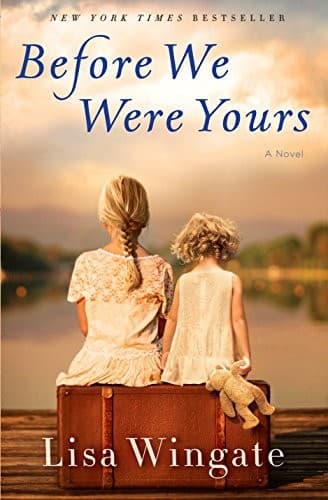
Book details and cover from Google Books.
Ready to read Before We Were Yours?
Get your copy on Amazon, or listen to it on Audible. We earn a commission if you buy through these links.