
We earn a commission if you buy through these links. Learn more
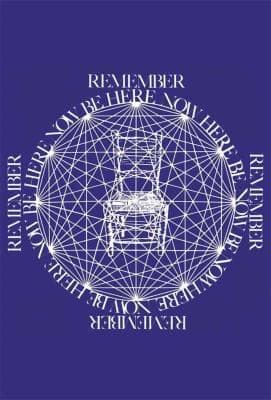
Be Here Now
by Ram Dass
Guide by the Books of the Day editors · Updated · How we write our guides
A candid, playful spiritual memoir from a former Harvard psychologist, offering a loose, experiential route into presence, service, and devotion rather than a rigid method.
What Creators Say About Be Here Now
2 creators reviewed Be Here Now on YouTube between 2018 and 2019, with 2.7K views between them. Their opinions are their own; we picked these reviews, we didn't write them.
What It's About
Be Here Now is a spiritual memoir and instruction book that grew out of Ram Dass's life after he left an academic career as a Harvard psychologist. Born Richard Alpert, he travelled to India, spent time with a teacher he called Maharajji, and came back with a different sense of what he had been searching for. The book reads less like a conventional argument and more like a notebook put together by someone who wants you to put it down and try something.
The layout is part of the experience. Pages mix short essays, drawings, diagrams, and sudden shifts in tone. Some sections are anecdotal, some sound like sermons, and some are deliberately playful. You will not find a tidy chapter-by-chapter method. Instead you get repeated pointers toward attention, generosity, and devotion, often illustrated with stories of ordinary moments that turn out to matter.
Reading it feels closer to sitting with a warm, slightly wry teacher than to studying a text. It works best slowly, a few pages at a time, and is most useful when you treat its suggestions as experiments to test in daily life rather than doctrine to accept.
Read this if you…
- are curious about meditation but want a looser, less rigid way in
- are interested in how Western psychology and Eastern spirituality meet in one life story
- want a book to dip into and reread rather than follow as a linear argument
Skip it if you…
- want a clear, step-by-step method with measurable results
- are put off by guru-centered devotion or by the psychedelic-era tone of the early 1970s
Key Ideas
- 1
Presence as the central practice
The book's core instruction is to stop living mainly in regrets about the past or worries about the future and to pay attention to what is happening now. The title is the whole argument. Ram Dass treats presence as both a discipline and a sign of spiritual progress, and he returns to it from many angles, asking the reader to notice how rarely they are actually where they are.
- 2
The ego as a role to observe
The self we defend is presented as a collection of habits, roles, and reactions rather than a fixed core. Instead of trying to destroy the ego, the book encourages watching it with some humor and distance. This shift in stance, from identifying with every thought to noticing it, is one of the more practical ideas a reader can take away and try in ordinary situations.
- 3
Service as a spiritual path
Drawing on the classical idea of karma yoga, the book argues that doing useful work for others, without fixating on the outcome, is a route to spiritual growth as valid as sitting meditation. This moves the book away from pure contemplation and makes it relevant to people who find solitary practice hard to sustain or who want their spirituality to show up in daily work and relationships.
- 4
Devotion, teachers, and grace
A large part of the book is devoted to the relationship between a student and a guru, and to the idea that spiritual progress depends partly on grace rather than effort alone. This is the most personal and the most debated section. Some readers will find it moving, while others will find it uncomfortable or hard to separate from the cult-like dynamics that have troubled later readers of Eastern-inspired teaching.
Limitations
The book is very much a product of its time. Its enthusiasm for Indian spirituality, its romantic view of teachers, and its casual references to psychedelics read differently now, and some critics find its portrayal of the guru relationship uncritical. The format is also uneven. Some passages are profound and others feel slight or self-indulgent. It sketches practices rather than teaching them in depth, so readers who want detailed technique will need other sources alongside it.
Questions Readers Ask
- Is Be Here Now still worth reading today?
- Yes, especially for its core message about attention and presence, which holds up well. The surrounding material is more dated, including its guru-centered framing and its counterculture references. Many readers treat it as a historical document as well as a spiritual guide, and that double reading tends to be the most rewarding way to approach it.
- How does it compare to a modern mindfulness book?
- Modern mindfulness books usually give structured exercises and research-based explanations. Be Here Now is looser and more personal, closer to a memoir and a set of provocations. If you want a practical program, pair it with a more systematic guide. If you want inspiration and a sense of the spiritual roots behind mindfulness, it offers something those books rarely do.
- Published
- 1971
- ISBN
- 9780062066602
- Difficulty
- beginner
- Category
- Mind and body
Book details and cover from Google Books.
Ready to read Be Here Now?
Get your copy on Amazon, or listen to it on Audible. We earn a commission if you buy through these links.