
We earn a commission if you buy through these links. Learn more
Autobiography of a Yogi
Guide by the Books of the Day editors · Updated · How we write our guides
A spiritual memoir that offers a rare, first-person window into Indian mysticism and the devotional bond between guru and disciple, worth reading for its story and its influence on Western meditation.
What Creators Say About Autobiography of a Yogi
2 creators reviewed Autobiography of a Yogi on YouTube between 2021 and 2026, with 2.6M views between them. Their opinions are their own; we picked these reviews, we didn't write them.
What It's About
Paramahansa Yogananda tells the story of his own life, from a devout childhood in northern India to his years as a student of the master Sri Yukteswar and his later work bringing yoga teachings to the United States. Along the way he introduces the saints, teachers and mystics he claims to have met, and recounts episodes he presents as proof that spiritual life is open to ordinary people.
The writing is warm, anecdotal and discursive rather than tightly plotted. Chapters drift between memory, instruction and reflection, so the book reads more like a set of linked episodes than a single sweeping narrative. Long passages explain meditation, the bond between guru and disciple, and the author's view of God as something to be experienced directly rather than only believed. Expect a devotional voice that is more interested in persuading you than in debating you.
Reading it is an unhurried, often uplifting experience. Miraculous events are described plainly and without much skeptical hedging, so readers have to decide for themselves how literally to take them. The payoff is a vivid window into early twentieth-century Indian spiritual life and into the making of a movement that reached far beyond its origins.
Read this if you…
- want an accessible introduction to yoga and meditation from a devotional perspective
- are curious how a twentieth-century Indian teacher shaped Western interest in meditation
- enjoy spiritual memoirs that blend personal story with mystical experience
Skip it if you…
- want a critical or historically rigorous account of the author's life
- are looking for detailed, step-by-step meditation instruction
Key Ideas
- 1
Guru and disciple as the heart of the path
The relationship with Sri Yukteswar is the emotional and spiritual center of the book. Yogananda presents the guru not as a teacher of doctrine alone but as a demanding, often exacting presence who shapes a disciple's character through daily life. Much of the book's tension and warmth comes from this bond, and it explains why the author keeps returning to devotion as the foundation for everything else.
- 2
Yoga as a practical method, not only belief
Yogananda frames yoga mainly as a set of techniques for meditation and inner awakening that anyone can practice, rather than a body of foreign customs. He discusses Kriya Yoga in general terms, emphasizing regular practice, self-discipline, and direct personal experience over reliance on scripture alone. Readers interested in meditation will likely find the account of practice more useful than the theology.
- 3
East and West in conversation
The author wrote for a Western audience and spent many years in America, so he often explains Indian ideas through comparisons with Western science, religion and everyday life. He presents spiritual truth as universal, arguing that the core teachings of different faiths point toward the same reality. This is part of why the book found readers well beyond Hindu or Indian audiences.
- 4
Miracles and the question of evidence
Many episodes involve healings, visions, prophecies and encounters with saints. Yogananda reports them as observed fact and offers them as signs that spiritual law operates in the world. Whether you accept them shapes how you read the whole book, and the lack of independent documentation for many events is the main reason critics treat parts of it as devotional rather than historical.
Limitations
Many events rest on the author's own testimony and cannot be checked, and historians have questioned some of the account's details and its portrait of certain figures. Critics also point to the book's role in promoting the organization he founded, and to disputes within the movement over its legacy. The text can feel repetitive or sentimental to readers who do not share its religious framework. It is not a manual; the techniques it mentions are described without the detailed instruction that formal courses provide.
Questions Readers Ask
- Is Autobiography of a Yogi still relevant today?
- Yes, mainly as a spiritual and historical document. It helped introduce yoga and meditation to Western readers and remains widely read in mindfulness and spiritual circles. Its factual claims are the part to approach carefully, but its portrait of devotion and its descriptions of Indian spiritual culture still speak to readers seeking a personal account of inner life.
- How does it compare with the Bhagavad Gita or a modern meditation book?
- The Bhagavad Gita is a short philosophical dialogue with clearer doctrine, while this book is a life story that shows teachings in action. Modern meditation guides offer more step-by-step practice and up-to-date research. Choose this book to understand a teacher's life and devotion; choose a guide if you want exercises you can follow tomorrow.
- Published
- 1946
- ISBN
- 9798537211358
- Difficulty
- beginner
- Category
- Biographies
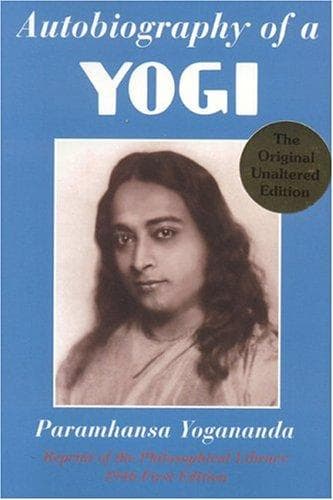
Book details and cover from Google Books.
Ready to read Autobiography of a Yogi?
Get your copy on Amazon, or listen to it on Audible. We earn a commission if you buy through these links.