
We earn a commission if you buy through these links. Learn more
Ash
by Malinda Lo
Malinda Lo's Ash turns Cinderella into a quiet, wintry fairy tale where the heroine's longing, and a tender love story with another woman, matter more than the rescue.
What It's About
Ash is a retelling of Cinderella set in a world where the old stories still have teeth. Ash is a young woman whose life shrinks after her mother's death and her father's remarriage, and her one consolation is the tales her mother told about the fairy folk. The book follows the outline of the familiar fairy tale, but Lo steers it somewhere the traditional version never went: toward a love story between Ash and another woman, which sits at the center of the book rather than at its edges.
The prose is quiet and observant, closer to a slow, rural fable than to a fast-moving YA adventure. Much of the pleasure comes from atmosphere: the forest, the hunt, the sense that magic is real but unpredictable and rarely kind. Lo spends time on Ash's inner life, her grief, her loneliness in a household that does not want her, and her gradual sense that she may want things for herself. Scene and dialogue carry the story more than action set pieces do.
Reading it feels like sitting by a fire while someone tells you a story they half-remember. It is gentle, romantic, and a little melancholy, and it rewards patience more than speed. Readers who expect a sprawling secondary world or a tightly plotted quest may find it thin, but those who want an intimate, emotionally direct retelling will find it unusually satisfying.
Read this if you…
- want a gentle, romantic fairy tale with a queer love story at its core
- enjoy retellings that reshape a familiar plot around a character's inner life
- like fairy lore that feels old, uncertain, and a little dangerous
Skip it if you…
- need fast plotting, big battles, or a sprawling fantasy world
- want a bright, comic retelling, since this one is wistful and often sad
Key Ideas
- 1
Cinderella reframed around desire and choice
The book keeps the frame of the familiar tale but shifts the central question from whether a girl will be rescued to what she wants for herself. Ash's wishes drive the story, and the traditional logic of rescue is loosened. Readers who know the original will notice where Lo keeps the outline and where she turns it in a new direction.
- 2
Fairy magic as ambiguous and unsettling
The fairies here are not cute helpers or tidy godmothers. Magic comes with costs and rules that are hard to read, and the book keeps a lingering sense that the fey do not share human morality. Ash's relationship to this world is part wonder and part wariness, which gives the fantasy a darker edge than the usual fairy-godmother story.
- 3
A love story at the center, not the margins
The romance between Ash and Kaisa drives the emotional arc. Their connection develops slowly through shared time and quiet attention, and the book treats same-sex desire as ordinary and central rather than as a twist or a subplot. For many readers, this is the main reason the book matters.
- 4
Grief, loneliness, and the cost of silence
Ash's life is shaped by loss and by a household that treats her as a burden. Lo explores how a young person learns to name what she feels, and how isolation can teach a person to accept less than she deserves. These themes give the fairy-tale surface real emotional weight.
- 5
Quiet, observant prose over plot momentum
Lo writes in a restrained, sensory style, letting scenes linger on landscape, ritual, and small gestures. Readers who want fast plotting may find the pace slow, but the writing rewards close, unhurried reading and suits the mood of a folk tale.
Limitations
The book is short and deliberately narrow, so the wider world, its politics, and the rules of its magic stay sketchy. Some readers find the fairy elements vague, and the pacing can feel slow if you come for adventure. The romance is tender and emotionally direct rather than physically explicit, which some readers see as a limit and others as a fit for the book's tone. Because it appeared in 2009, its representation was groundbreaking at the time, and many newer books have since explored similar territory more fully.
Questions Readers Ask
- Is Ash only for teen readers, or can adults enjoy it?
- Ash is shelved as young adult, and its prose and point of view suit teen readers. Adults who enjoy fairy-tale retellings often find it rewarding, though, because its emotional focus is on longing, loneliness, and the search for self rather than on school-age plotting. It is a short, focused read rather than a dense epic, so it works well as a single sitting or a weekend book.
- How does Ash compare to other Cinderella retellings?
- Compared with Marissa Meyer's Cinder, Ash is far less science fiction and far more rooted in traditional folklore. Where Cinder builds a futuristic setting and a mystery plot, Ash stays close to forests, courts, and old fairy beliefs, and its emotional core is the romance. Choose Ash for mood and atmosphere, and Cinder if you want faster pacing and a bigger world.
- Is Ash still worth reading today?
- Yes. Its core holds up well: a lonely heroine, a reimagined fairy tale, and a sincere love story. Its representation may feel less groundbreaking now than it did when it appeared in 2009, but the atmosphere and the emotional honesty of the writing remain its strengths. Readers who enjoy Lo's later work will also find this an important starting point.
- Published
- 2009
- ISBN
- 9780606151252
- Difficulty
- beginner
- Category
- Fiction
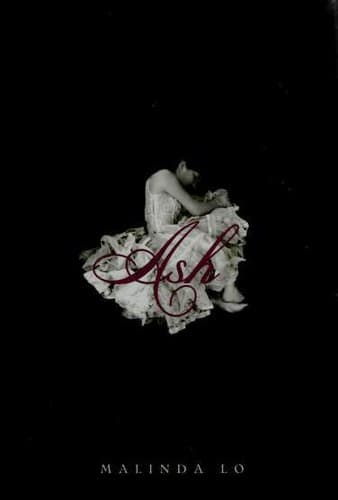
Book details and cover from Google Books.
Ready to read Ash?
Get your copy on Amazon, or listen to it on Audible. We earn a commission if you buy through these links.