
We earn a commission if you buy through these links. Learn more
A Tale for the Time Being
A diary washes up on a remote Canadian beach, and the novel that follows braids a Tokyo teenager's voice with a writer's search for her story, making it a moving, funny, and strange meditation on time and grief.
What It's About
A Tale for the Time Being is an adult literary novel built around a diary that washes ashore on a small island off British Columbia. The book alternates between two voices: Nao, a teenager in Tokyo whose diary records her loneliness, her family's troubles, and her struggle to keep hold of herself, and Ruth, a novelist who finds the diary in a lunchbox among the debris and gradually becomes absorbed in it.
Ozeki's approach is wide-ranging and playful. Nao's voice is blunt, funny, and sharp, full of pop culture and asides addressed directly to the reader. The frame narrative lets Ozeki move between Tokyo, the aftermath of the 2011 earthquake and tsunami, and questions drawn from Zen Buddhism and quantum physics without ever feeling like a lecture. Much of the pleasure comes from the sense of a conversation across distance and time, where you keep deciding what is real, what is story, and how much one person can truly know about another.
Reading it is an absorbing, emotional experience with slow stretches and sudden jolts. Expect dark material alongside humor, and expect the book to ask you to tolerate uncertainty. It rewards patience more than speed.
Read this if you…
- enjoy novels that blend fiction, memoir-like framing, and philosophy without a tidy plot
- want a story about a lonely teenager's inner voice that is funny as well as painful
- are drawn to questions about memory, impermanence, and what it means to really read another person
Skip it if you…
- need a fast, plot-driven page turner with a clear mystery to solve
- find self-conscious author characters and nested narratives tiring rather than engaging
Key Ideas
- 1
Two narrators bound across distance
The novel's central structure is a relationship between a girl who writes to be heard and a woman who reads to understand. Neither has the full picture, and the book keeps reminding you that reading someone's private account is itself an act of responsibility, with real consequences for the person on the page and the person holding the pages.
- 2
Time as something to hold and lose
Time is the book's most persistent preoccupation. Ozeki draws on Zen ideas about attention and impermanence and on physics ideas about how the past and present might coexist, and she uses these to ask what it means for a moment to matter when everything passes. The philosophy is woven into the characters' lives rather than offered as a separate argument.
- 3
Bullying, identity, and being unheard
Nao's account of school cruelty, family strain, and feeling invisible is the emotional core of the book. Ozeki treats these experiences with honesty and without easy consolation, and she is clear that the adults around Nao often fail to notice what is happening to her. The darkest passages are hard to read but are handled with care.
- 4
Disaster and the long shadow of history
The 2011 tsunami and the wider weight of Japanese history sit beneath the story. Ozeki shows how catastrophe and older wars persist in ordinary lives, shaping memory, family, and how people carry the past. The book is less interested in spectacle than in what survives and how people keep living afterward.
Limitations
Some readers find the structure slow to settle, and the mix of Zen teaching, physics, and digression can feel diffuse or self-consciously clever. The scientific and religious ideas are handled loosely, which is part of the charm for some and a frustration for others. The author's presence as a character can feel precious to readers who prefer invisible narrators. The book deals with suicide, bullying, and disaster, so it can be heavy. It is adult literary fiction, not a young adult novel, despite the category listed here, and I cannot confirm the second name credited alongside Ozeki, so this page focuses on the novel itself.
Questions Readers Ask
- Is A Tale for the Time Being suitable for teenagers?
- It is written for adults, and the category listed here as young adult does not match how the book is usually shelved. Nao is a teenage narrator, which can draw younger readers, but the book includes suicide, bullying, sexual content, and graphic disaster material. Mature teens with an interest in literary fiction may cope well, but parents and younger readers should be aware of those themes before starting.
- Do I need to know Zen Buddhism or physics to enjoy it?
- No. Ozeki explains ideas in plain language through the characters and their concerns, and you can follow the story without any background. Some readers will enjoy spotting the references more, but the emotional thread about Nao and Ruth carries the book on its own.
- What should I read if I like it?
- If you want another novel that mixes emotional realism with unusual structure and philosophical questions, try books that use a diary or letters to explore a single life across time. Readers who liked the voice of Nao often enjoy other coming-of-age novels that treat a teenager's inner life seriously.
- Published
- 2013
- ISBN
- 9780143124870
- Difficulty
- intermediate
- Category
- Young Adult
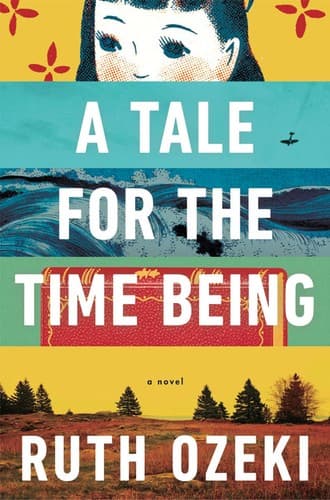
Book details and cover from Google Books.
Ready to read A Tale for the Time Being?
Get your copy on Amazon, or listen to it on Audible. We earn a commission if you buy through these links.