
We earn a commission if you buy through these links. Learn more
A Little Princess
Guide by the Books of the Day editors · Updated · How we write our guides
A warm, imaginative classic about a girl whose fortunes collapse overnight, and the inner strength that carries her through; a good fit for readers who love emotional, old-fashioned children's novels.
What Creators Say About A Little Princess
2 creators reviewed A Little Princess on YouTube between 2010 and 2019, with 12K views between them. Their opinions are their own; we picked these reviews, we didn't write them.
What It's About
A Little Princess follows Sara Crewe, a clever and imaginative girl who is left at a strict London boarding school after her wealthy father sends her there from India. Her sudden change in circumstances forms the spine of the book, and Burnett spends real time on how it feels to be a child who is suddenly treated as less than she once was. The headmistress, Miss Minchin, is one of the most memorable grown-up antagonists in children's fiction, and the petty cruelties are observed closely enough to sting.
The style is warm, ornate in places, and openly sentimental. The narrator speaks to the reader directly and does not hesitate to tell you what to feel. Readers used to spare contemporary children's fiction may find that tone heavy at first, but its emotional clarity is much of the appeal. The experience is less about suspense than about watching a character hold on to her dignity and generosity under pressure.
Much of the book's charm lies in Sara's inner life. She invents stories, turns her hardships into a kind of game of pretending, and finds comfort in her own imagination, so the book is as much about the power of make-believe as it is about injustice. The pace is gentle and episodic, built around small kindnesses from unexpected people.
Read this if you…
- love classic children's novels with strong emotional pull
- want a story about inner resilience and private dignity
- are reading aloud with a child who loves make-believe and tender moral stories
Skip it if you…
- find sentimental narration and heavy-handed feeling hard to enjoy
- want a fast plot, modern characterisation, or moral complexity
Key Ideas
- 1
Dignity that survives the loss of money
Sara's wealth disappears, but her sense of herself does not. The book's central argument is that a person's worth lies in how they behave and think, not in their clothes, rank, or comfort. Burnett returns to this idea repeatedly, showing Sara choosing generosity even when she has every reason to become bitter. It is a moral lesson, delivered plainly, that many readers find genuinely moving.
- 2
Imagination as a means of survival
Sara copes with cold, hunger, and humiliation by inventing stories and inhabiting them fully. The book treats this as more than escapism. Her imaginative life gives her a private space that Miss Minchin cannot touch, and it shapes how she sees other people. Readers who enjoyed make-believe as children will recognize the appeal of this idea.
- 3
Small kindnesses from unexpected people
Some of the most affecting moments come from servants, neighbours, and even a few children who have little power to help. Burnett shows that ordinary decency can matter a great deal to someone in distress. These scenes give the book its warmth and balance its darker stretches, and they reward readers who like stories of quiet generosity.
- 4
Cruelty and the abuse of adult power
Miss Minchin's treatment of Sara shows how a dependent child can be exploited by an adult who controls money and status. The book does not dwell on violence, but it is clear about the unfairness, and it frames resistance as a matter of character. This gives the story a sharper edge than its sentimental surface might suggest.
Limitations
The book is openly sentimental, and its moral lessons are stated rather than shown, which some readers will find overbearing. Its class assumptions reflect the Victorian and Edwardian worldview in which it was written, including the idea that virtue and wealth are closely linked. Its portrayal of India and of Indian characters reflects the colonial attitudes of its period and may read poorly to modern audiences. The story is also quite brief in its treatment of the wider world beyond the school, so readers wanting social breadth may feel constrained.
Questions Readers Ask
- Is A Little Princess only for children?
- No. It is written for young readers, but adults often return to it for its emotional honesty and its portrait of resilience. The prose is more old-fashioned than modern children's books, so it can take a little adjustment, but it is not difficult. Many adults find it rewarding, especially if they enjoy sincere, unironic storytelling.
- How does it compare to The Secret Garden?
- Both are classic children's novels by Burnett, and both focus on lonely children who find strength through imagination and kindness. A Little Princess is more concentrated on a single girl's moral endurance and a harsh school setting. The Secret Garden has a more outdoorsy, transformative arc. If you liked one, you will probably enjoy the other.
- Published
- 1905
- ISBN
- 9798507847334
- Difficulty
- beginner
- Category
- Children's Books
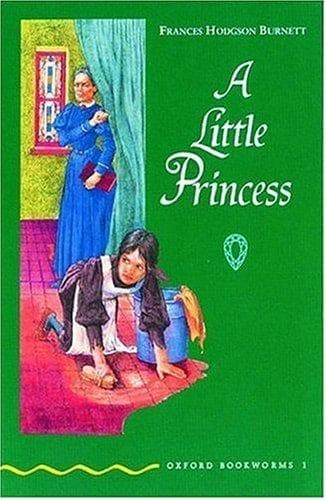
Book details and cover from Google Books.
Ready to read A Little Princess?
Get your copy on Amazon, or listen to it on Audible. We earn a commission if you buy through these links.