
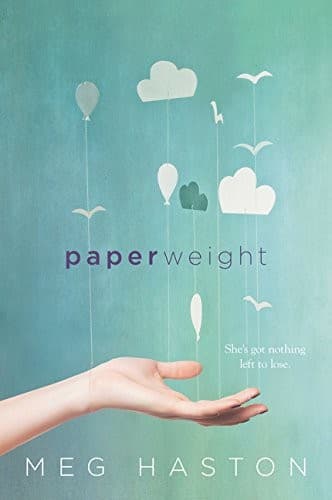
Paperweight
Meg Haston
Like Lia, Stevie is in treatment and carrying guilt over a death. The book captures the eating-disorder voice from inside with the same raw honesty and slow, hard-won movement toward recovery.
Reader-supported: when you buy through links on our site, we may earn an affiliate commission. Learn more
We earn a commission if you buy through these links. Learn more
Find Similar BooksLia's voice is the reason to read Wintergirls: a fragmented, unflinching look inside anorexia and grief that treats its reader as capable of sitting with something painful.
Wintergirls is a young adult novel narrated by Lia, a teenager whose former best friend Cassie has just died. Lia is left behind with her grief, and she is also deep in her own eating disorder, so the book keeps circling between loss, hunger, and the voice in her head that counts everything. The story is told in the present tense as Lia moves through a life organized around numbers: calories, pounds, minutes of exercise.
Anderson's style is the main reason people remember this book. Sentences are broken, repeated, and often set on the page as short fragments and lists, which mirrors how a mind under starvation loses its focus. The prose is raw and sometimes reads almost like poetry. Cassie's presence in Lia's head works as both memory and accusation, which keeps the tension high from the first pages.
Reading it is not comfortable. The book does not look away from the physical reality of anorexia and bulimia, including self-harm, and it asks you to sit inside a mind that believes starving is control. It is short enough to finish in a few sittings, but many readers find they need to stop and breathe along the way.
The friendship between Lia and Cassie runs on a contest over who can be smaller. Anderson shows how an eating disorder can become a shared social currency, and how a rivalry like that slowly turns into isolation, with each girl alone with her own worst habits.
Cassie's death does not close the story. Lia's sense that her friend is still near lets Anderson explore guilt, unfinished business, and the way loss can feed the disorder rather than soothe it. The ghostly thread gives the grief a shape you can follow.
The fragmented sentences, lists, numbers, and repetition are not decoration. They reflect a mind that is hungry, distracted, and fixated. Anderson makes you feel the narrowing of attention, which is harder to convey in plain, continuous prose.
The book treats recovery as something that happens in fits, setbacks, and small choices rather than a single decision. It avoids a neat turnaround, though it does move toward hope, and it treats getting help as an ordinary, difficult step.
The most common concern is the book's detailed attention to numbers, weights, and disordered behaviors, which some readers and clinicians worry could be triggering for vulnerable teens. The ghost device is more atmospheric than explained, so readers who want a clear logic to Cassie's presence may feel unsatisfied. The story centers a white, affluent suburban girl, which gives a limited picture of who develops eating disorders. Some readers also feel the recovery arc is compressed compared with what real recovery usually involves.
Reviews from readers on YouTube. Their opinions are their own.
Book details and cover from Google Books.
Ready to read Wintergirls?
Get your copy on Amazon, or listen to it on Audible. We earn a commission if you buy through these links.
Meg Haston
Like Lia, Stevie is in treatment and carrying guilt over a death. The book captures the eating-disorder voice from inside with the same raw honesty and slow, hard-won movement toward recovery.
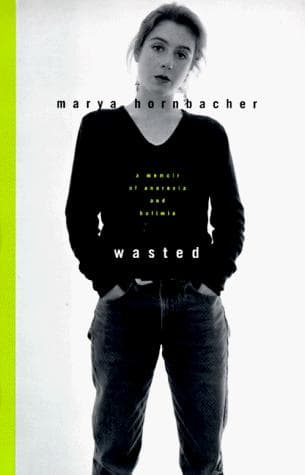
Marya Hornbacher
An older-teen and adult memoir of anorexia and bulimia that shows the real-life version of Lia's mindset, written with sharp, literary intensity. Best for mature readers ready for nonfiction.

Jillian Medoff
A sister's eating disorder and a family's breakdown give this a domestic angle that echoes the strained parents and stepfamily in Wintergirls, mixing darkness with wry observation.
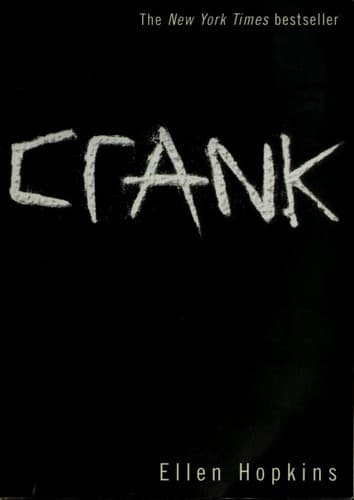
Ellen Hopkins
Told in experimental verse, this story of addiction has the same fragmented, poetic interior voice that makes Lia's narration so gripping, and the same frank view of self-destruction.