Reader-supported: when you buy through links on our site, we may earn an affiliate commission. Learn more

Cover of The Hating Game
Buy on AmazonListen on Audible

We earn a commission if you buy through these links. Learn more

Find Similar Books

The Hating Game

by Sally Thorne

Fiction
★★★★★5.0 (2)

A sharp, funny enemies-to-lovers office romance whose real pleasure is the crackling, petty rivalry between two assistants who notice everything about each other.

What It's About

Lucy Hutton and Joshua Templeman work at a publishing house formed from a reluctant merger, each serving as executive assistant to one of two co-CEOs who can barely stand each other. Their desks face each other, and their days are a running contest of staring matches, needling remarks and invented games designed to make the other crack. When a single promotion opens up and both apply, the rivalry sharpens, just as Lucy starts to suspect that what she reads as contempt might be something else entirely.

Thorne tells the story entirely from Lucy's first-person point of view, which keeps the voice quick, self-deprecating and often very funny. Much of the fun comes from Lucy misreading Joshua, and from the reader seeing a little more than she does. The book leans on classic romance setups, including forced proximity, a shared trip and a scene involving a sick day, and it plays them with obvious relish rather than irony.

Reading it feels like a long, tense flirtation that steadily turns warmer and more emotionally serious. The banter carries the first half, while the second half spends more time on family, insecurity and why both characters built such prickly defenses. It contains explicit sex scenes, and the chemistry is the main event. Published in 2016, it helped spark the wave of witty contemporary rom-coms that followed, and it was adapted into a 2021 film.

Read this if you…

  • love enemies-to-lovers banter with real tension and a slow build
  • want a funny, steamy contemporary romance you can read in a weekend
  • enjoy office settings and characters with competitive, stubborn streaks

Skip it if you…

  • dislike explicit sex scenes or romances centered heavily on physical attraction
  • find brooding, possessive male leads more alarming than appealing

Key Ideas

  1. 1

    Rivalry as a form of attention

    The book's central idea is that intense hatred and intense interest look almost identical from the outside. Lucy and Joshua know each other's habits, clothes and moods in obsessive detail. Thorne uses their petty games to show two people who are paying very close attention to each other while insisting they want the opposite, which makes the slow shift in their relationship feel earned instead of sudden.

  2. 2

    An unreliable, funny narrator

    Because everything comes through Lucy, the reader sees Joshua through her assumptions, grudges and blind spots. Her voice is lively, quirky and full of exaggerated asides, which supplies much of the humor. It also builds tension: readers often catch signals Lucy dismisses, so part of the pleasure is waiting for her to realize what she has been missing about him and about herself.

  3. 3

    Workplace stakes and ambition

    The competition for a promotion gives the romance real friction. Lucy loves the publishing world and wants the job badly, and the book takes her ambition seriously rather than treating it as a backdrop. The question of whether wanting to win and wanting the person across the desk can coexist runs through the plot and keeps it from being only a love story.

  4. 4

    Defenses built from loneliness

    Beneath the banter, both leads are fairly isolated people. Lucy lives far from her close-knit family and has few friends at work; Joshua's coldness has roots the story gradually uncovers. The novel becomes more tender as it explores how their hostility shielded them from rejection, giving the comedy an emotional undercurrent that many readers find surprisingly affecting.

Limitations

Some readers find Joshua's behavior, especially early on, closer to bullying than flirting, and the novel's frequent focus on his size and intensity can feel dated against current tastes. Lucy's quirky voice delights many readers but grates on others, and the single point of view means Joshua's inner life stays largely off the page. The second half relies on familiar romance devices, and a few plot turns depend on characters not talking plainly. Secondary characters and the publishing setting are thinly sketched compared with the central pair.

Questions Readers Ask

Is The Hating Game spicy?
Yes, moderately. The first half is mostly tension and banter, but the book includes several explicit sex scenes later on. It is steamier than a closed-door romance like many Emily Henry novels, though not as explicit as books marketed specifically as erotic romance. Readers who prefer fade-to-black scenes may want to skim or choose something else.
Should I read the book or watch the 2021 movie?
Read the book first if you care about the humor. Much of the appeal lies in Lucy's narration and inner monologue, which a film can't fully capture. The movie, starring Lucy Hale and Austin Stowell, keeps the main setup and works as a light companion, but most fans consider the novel richer and funnier.
What should I read after The Hating Game?
If you want more rivals-turned-lovers, try Christina Lauren's The Unhoneymooners or Emily Henry's Beach Read, which share the sparring energy. Thorne's own later novels, such as 99 Percent Mine, keep her distinctive voice. Readers who enjoyed the office setting often also like Helen Hoang's The Kiss Quotient for its warmth and heat.
Published
2016
ISBN
9780062439598
Difficulty
beginner
Category
Fiction

Book details and cover from Google Books.

Ready to read The Hating Game?

Get your copy on Amazon, or listen to it on Audible. We earn a commission if you buy through these links.

Books Like The Hating Game

View all →
Cover of Pride and Prejudice

Pride and Prejudice

Jane Austen

Elizabeth and Darcy trade cutting remarks and mutual dislike before their feelings shift, the same sparring-to-romance arc that drives The Hating Game. Austen's wit makes the pride on both sides as entertaining as Lucy and Joshua's games.

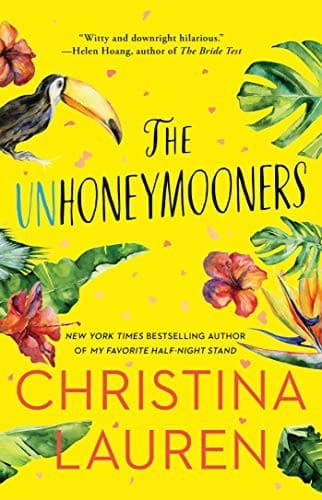
Cover of The Unhoneymooners

The Unhoneymooners

Christina Lauren

A bride and a groom who can't stand each other are forced into a holiday together, a premise built on forced proximity and escalating rivalry. Like The Hating Game, it balances playful bickering with a steadily building attraction.

Cover of Red, White & Royal Blue

Red, White & Royal Blue

Casey McQuiston

Two people who start out as public antagonists slowly discover real affection, with banter that is sharp and funny. Fans of Lucy and Joshua's escalating hostility will enjoy the witty, warm rivals-to-lovers journey.

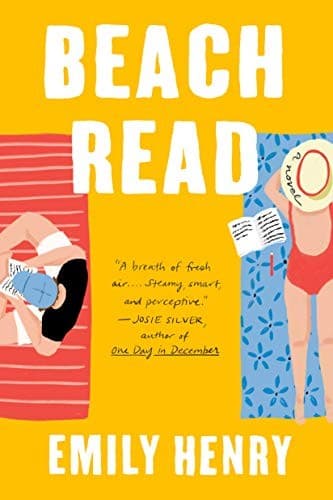
Cover of Beach Read

Beach Read

Emily Henry

Two writers with opposite approaches clash over their work and their rivalry turns into something more. Its publishing-world setting and witty, wry narration will appeal to readers who enjoyed the office politics and sparring of The Hating Game.

Explore More