
The Perks of Being a Wallflower
Stephen Chbosky
Like Holden, Charlie narrates his own teenage life in intimate letters, catching the pain and absurdity of school with the same candid honesty and tenderness toward damaged friends.
Reader-supported: when you buy through links on our site, we may earn an affiliate commission. Learn more
We earn a commission if you buy through these links. Learn more
Find Similar BooksHolden Caulfield's sardonic, grief-streaked monologue about three days adrift in New York is short, funny, and still one of the sharpest portraits of teenage alienation in American fiction.
The Catcher in the Rye is told in the first person by Holden Caulfield, a sixteen-year-old who has been failing at his prep school in Pennsylvania and leaves early, before the Christmas break, rather than face his parents. Instead of going home, he checks into a cheap hotel in New York and spends a few days drifting through the city, running into old acquaintances, drinking, paying for company he doesn't really want, and avoiding the people who might ask what happened.
The book has very little plot in the usual sense. It is a loose, digressive confession addressed to an unnamed listener, full of slang, repetitions, and abrupt shifts from jokes to grief. Holden's judgments arrive constantly and often contradict each other, and much of the pleasure comes from the sound of his voice: funny, hurt, self-aware in flashes, and quick to spot pretension in others while missing his own.
Reading it feels like sitting beside a restless, talkative teenager who is trying to explain something he hasn't yet understood. It is a quick read, but it rewards attention, because the emotional weight builds underneath the wisecracks. Go in expecting a character study and a voice more than a story with stakes.
Holden's favorite word for what he dislikes is phony, and he applies it to teachers, dates, writers, and nightclub crowds alike. The book treats this as both a sharp eye for hypocrisy and a trap, since his contempt isolates him as much as it protects him. Watching him judge others while failing to see his own posturing is one of the novel's main sources of irony.
Holden's older brother Allie died years before the story, and that loss shapes almost everything Holden feels. The grief rarely gets named directly. It surfaces in small objects, in sudden anger, and in moments when the comedy drops away. Readers who take the book only as a satire of adolescence tend to miss how much of it is about mourning.
The title comes from a half-remembered song line that Holden has misunderstood, and he builds a private fantasy around it: standing at the edge of a field, catching children before they run off a cliff into adult life. The image shows his longing to keep innocence intact, and it also exposes how little he understands about growing up, including his own.
Salinger's prose is colloquial and deliberately loose, with repeated phrases, run-on sentences, and tangents that circle back to the same wounds. The style is the book's main engine. It makes Holden feel present and unreliable at once, and it explains why the novel has been imitated so often by writers chasing a teenage narrator's authenticity.
Almost every encounter Holden has ends in disappointment or awkwardness, from brief conversations with strangers to his time with his younger sister. The book is less interested in resolving these failures than in showing how a lonely person can want closeness and push it away at the same time. That tension gives the quieter scenes their force.
Holden's voice is the whole book, and some readers find his constant complaining and repetitive phrasing wearying rather than revealing. The plot covers only a few days and is mostly episodic, so the novel lacks the structure many readers expect from fiction. Its treatment of women is narrow and often dated, filtered through Holden's anxieties and judgments. The novel's notoriety, including its frequent presence on challenged-book lists and its long association with a single, troubled reader base, can also shape expectations before a reader starts.
Book details and cover from Google Books.
Ready to read The Catcher in the Rye?
Get your copy on Amazon, or listen to it on Audible. We earn a commission if you buy through these links.
Stephen Chbosky
Like Holden, Charlie narrates his own teenage life in intimate letters, catching the pain and absurdity of school with the same candid honesty and tenderness toward damaged friends.
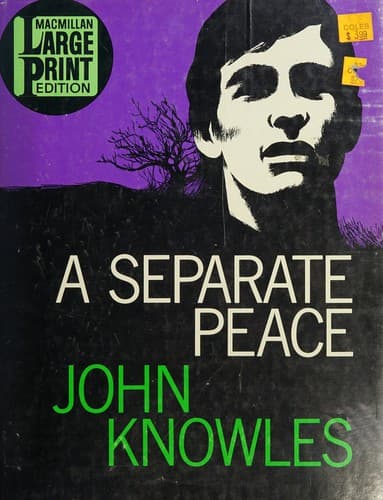
John Knowles
Set at a New England boarding school during the Second World War, it shares Holden's prep-school setting and examines a troubled friendship and the unease of growing up in a privileged world.
John Green
A boarding-school novel narrated by a restless outsider who is drawn to a charismatic, unpredictable friend, echoing Holden's mix of longing, grief and sharp observation about his peers.
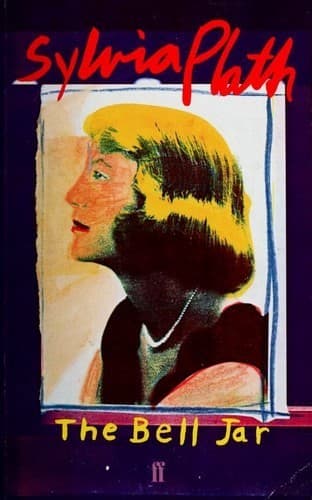
Sylvia Plath
Esther Greenwood's clear-eyed, sardonic account of feeling out of step with a glamorous, performative world echoes Holden's disgust at phoniness and his quiet despair beneath the wit.